
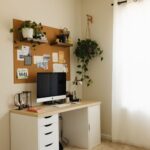
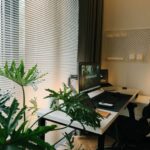
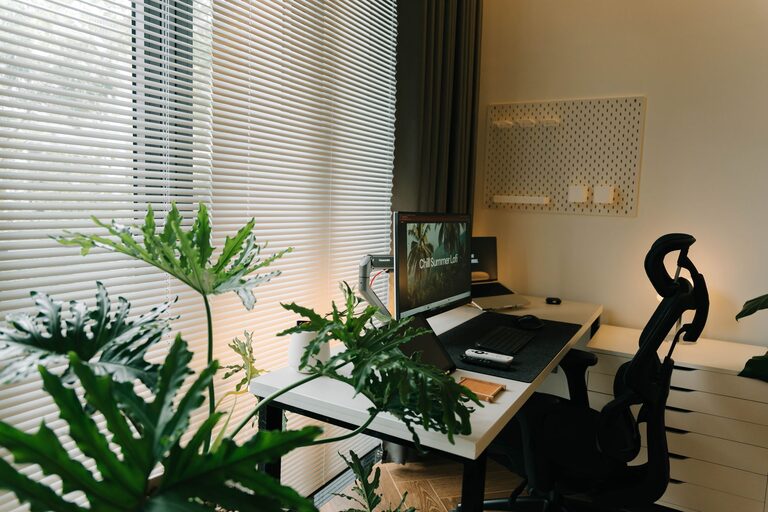
Creating a productive home office environment is essential for anyone working remotely or running a business from home. A well-planned workspace can help you stay focused, reduce distractions, and maintain a healthy work-life balance. Whether you have a dedicated room or just a small corner, there are many ways to optimize your home office for better efficiency and comfort.
In this post, we’ll explore practical strategies to help you set up an ideal workspace that supports productivity and well-being.
Choose the Right Location
The first step in creating a productive home office is selecting the best spot in your home. Consider the following:
– Natural Light: Choose a location near a window when possible. Natural light can improve mood, reduce eye strain, and increase alertness.
– Quiet Space: Pick a quiet area that minimizes noise and interruptions, especially if you have family members or roommates.
– Separate from Living Areas: If you can, avoid working from places like the kitchen table or bedroom, as these areas can blur the lines between work and relaxation.
Invest in Comfortable and Functional Furniture
Your office furniture plays a big role in your productivity and health. Focus on ergonomics and usability.
– Ergonomic Chair: A good chair supports your back and encourages proper posture, reducing the risk of discomfort or injury over time.
– Desk Size: Choose a desk large enough to hold your computer, keyboard, and other essential tools without feeling cramped.
– Adjustable Equipment: Consider adjustable desks or monitor stands to help keep screens at eye level, preventing neck and shoulder strain.
Organize and Declutter Your Space
A cluttered workspace can distract you and reduce focus. Keep your home office tidy and organized by:
– Using Storage Solutions: Shelves, drawers, and filing cabinets can help keep paperwork and supplies out of sight but easy to reach.
– Sorting Regularly: Take a few minutes each day or week to clear your desk and organize important files.
– Minimizing Non-Essentials: Remove items that are not needed for work to reduce distractions.
Improve Lighting
Good lighting is crucial for a productive environment. Here are tips to enhance your workspace lighting:
– Combine Natural and Artificial Light: Use daylight where possible, supplemented by adjustable desk lamps for focused tasks.
– Avoid Glare: Position screens and lights to prevent glare that can cause eye strain.
– Choose the Right Bulbs: Opt for daylight or cool white bulbs to help maintain alertness during work hours.
Set Boundaries and Establish Routine
Creating clear boundaries between work and personal time helps maintain productivity and mental well-being.
– Define Work Hours: Set specific start and end times for your workday.
– Signal Work Mode: Use actions like closing the office door, playing focused music, or changing clothes to help you mentally switch into work mode.
– Take Regular Breaks: Incorporate short breaks throughout the day to rest your eyes, stretch, and recharge.
Personalize Your Workspace
Adding personal touches can make your workspace more inviting and boost motivation.
– Plants: A few indoor plants can improve air quality and add a calming element.
– Artwork or Photos: Inspirational items can help keep you energized.
– Favorite Colors: Incorporate colors you find uplifting or calming through decor or accessories.
Leverage Technology Wisely
Utilizing technology effectively can streamline your workflow and reduce frustration.
– Reliable Internet: Ensure you have a fast and stable connection.
– Noise-Canceling Headphones: Helpful for blocking out distractions during calls or focused work.
– Productivity Tools: Use apps for task management, calendar scheduling, and communication to stay organized.
Maintain Air Quality and Comfort
Your physical comfort impacts how well you concentrate and perform tasks.
– Ventilation: Keep your workspace well-ventilated to improve air quality.
– Temperature Control: Adjust heating or cooling so the temperature feels comfortable.
– Clean Environment: Regularly dust and clean the area to create a healthy space.
Final Thoughts
Designing a home office that supports productivity doesn’t require a massive investment, just thoughtful choices and habits. By selecting the right location, organizing your space, paying attention to lighting and comfort, setting boundaries, and personalizing your environment, you’ll create a workspace where you can thrive. Remember, the goal is to build a space that encourages focus, creativity, and well-being — making your work-from-home experience both productive and enjoyable.
More Stories
Tips for Creating a Cozy and Inviting Living Room Space at Home
How to Create a Cozy and Productive Home Office Space
Affordable Ways to Create a Cozy and Inviting Living Space